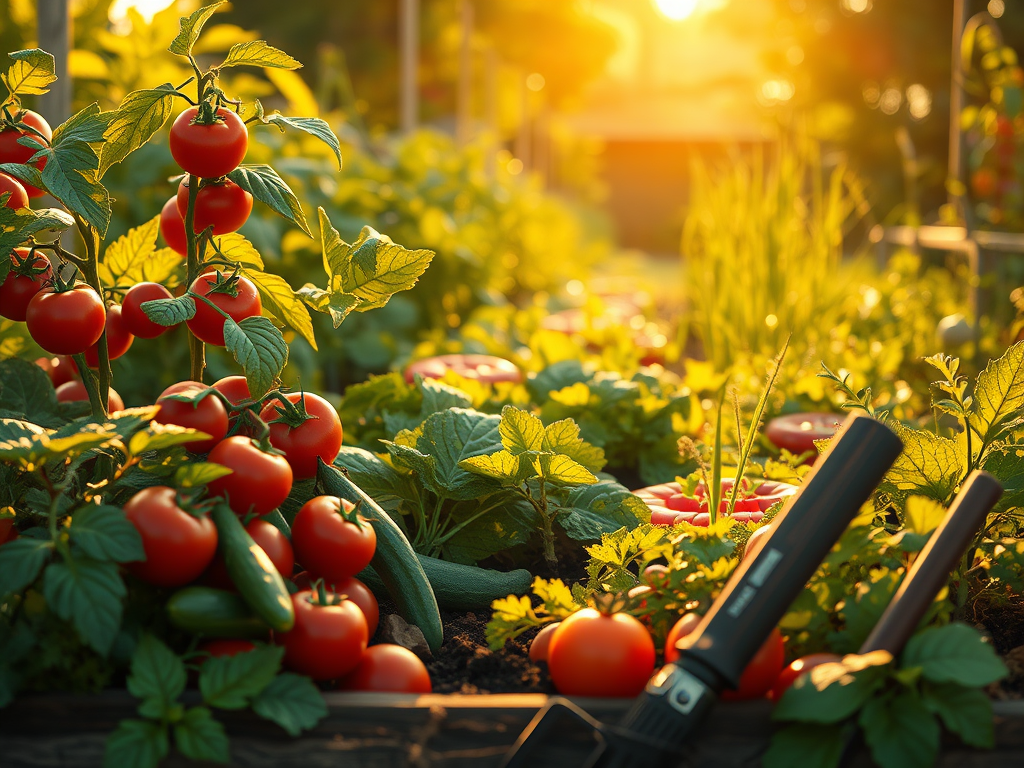
Starting a vegetable garden is a rewarding and practical way to grow your own food, save money, and enjoy fresh produce throughout the season. Whether you have a large backyard, a small balcony, or even a window box, it’s possible to start your own vegetable garden with a little planning and care. In this guide, we’ll walk you through the steps to create a successful vegetable garden, from selecting the right location to harvesting your crops.
Unlock your next adventure and lifestyle upgrade with expert advice from our Travel and Lifestyle page.
How to Start a Vegetable Garden: A Beginner’s Guide
Let’s dive into how to start a vegetable garden.
1. Choose the Right Location for Your Vegetable Garden
The first step in starting a vegetable garden is selecting the perfect spot. Most vegetables need at least 6-8 hours of sunlight each day to grow successfully. Look for a sunny area in your yard or home where the plants will receive plenty of light. Avoid shady spots or areas near tall trees or buildings that may block the sun.
Additionally, choose a location that is close to a water source. Plants need consistent moisture, especially during dry spells, so easy access to water will ensure your garden thrives.
2. Pick the Right Vegetables for Your Garden
Not all vegetables are suited for every climate, so it’s important to select plants that will grow well in your area. Some vegetables, like tomatoes, cucumbers, and peppers, thrive in warm weather, while others, like lettuce, spinach, and peas, prefer cooler conditions.
Research your local growing zone and plant seasonality to determine which vegetables will grow best in your area. If you’re just starting out, it’s a good idea to begin with easy-to-grow crops such as lettuce, radishes, or beans, which are perfect for beginners.
3. Prepare the Soil
Good soil is essential for healthy plant growth. Start by testing your soil to ensure it has the right balance of nutrients and pH levels. Most vegetables prefer slightly acidic to neutral soil (pH 6-7). You can buy a soil testing kit at your local garden store or send a sample to a local extension office for analysis.
Once you know your soil’s composition, improve it by adding compost or organic matter. Compost helps to improve soil structure, provides nutrients, and retains moisture. If you have poor soil, consider adding organic matter, such as compost or aged manure, to increase fertility.
4. Choose Your Gardening Method: Raised Beds, Containers, or Ground Plots
Depending on your available space and gardening preferences, you can choose from several different growing methods:
- Raised Beds: Raised garden beds are a popular option for growing vegetables, especially if your soil is poor or if you want better drainage. Raised beds can be built using wood, stone, or other materials. They offer better control over the soil quality and can be easier on your back, as you don’t need to bend over as much while gardening.
- Containers: If you have limited space, container gardening is a great option. You can grow vegetables in pots, buckets, or even hanging baskets. Many vegetables, such as herbs, peppers, and tomatoes, thrive in containers. Just ensure your containers have proper drainage and use high-quality potting soil.
- Ground Plots: If you have a large yard, you can plant directly into the ground. Clear the area of weeds and debris, and loosen the soil with a shovel or tiller. This method requires more effort to maintain soil health, but it can work well for larger gardens.
5. Plant Your Seeds or Seedlings
Once your garden beds are ready, it’s time to plant your seeds or seedlings. Follow the planting instructions on the seed packets or the care labels for any seedlings you’ve purchased. Pay attention to the recommended planting depth, spacing, and any special care instructions.
When planting seeds, it’s a good idea to start them indoors first if the outdoor temperature is too cold. You can transplant seedlings outdoors when the soil has warmed up and the risk of frost has passed.
6. Water Consistently
Consistent watering is crucial to the success of your vegetable garden. Most vegetables require about 1-1.5 inches of water per week. Water your plants deeply and evenly, making sure the water reaches the roots. Watering early in the morning or in the evening is best, as this helps prevent evaporation and allows the plants to absorb the water before the heat of the day.
Avoid watering from above, as this can lead to fungal diseases. Instead, use a drip irrigation system, soaker hoses, or a watering can to direct water at the base of the plants.
7. Fertilize Your Plants
Fertilizing your vegetable garden helps ensure that your plants get the nutrients they need to thrive. Use an organic or slow-release fertilizer to provide a steady supply of nutrients. You can also make your own organic fertilizer using compost or natural additives like fish emulsion.
Be careful not to over-fertilize, as this can lead to excessive leaf growth and poor fruit production. Follow the recommended fertilizer application rates on the product label.
8. Weed and Mulch Regularly
Weeds can compete with your vegetables for sunlight, water, and nutrients. To keep your garden weed-free, make sure to weed regularly, especially when the weeds are still small. Mulching around your plants helps prevent weeds from growing, conserves moisture, and regulates soil temperature.
Use organic mulches, such as straw, shredded leaves, or grass clippings, to keep weeds at bay. Just be sure to leave some space around the base of the plants to avoid creating a habitat for pests.
9. Monitor for Pests and Diseases
Keep an eye on your garden for any signs of pests or diseases. Common garden pests include aphids, slugs, and caterpillars, which can damage your crops. If you notice any pests, take action right away by using natural remedies such as insecticidal soap, neem oil, or companion planting with pest-repelling herbs.
Additionally, look for signs of plant disease, such as yellowing leaves or wilting. Early detection and treatment will help you save your plants from damage.
10. Harvest and Enjoy
Once your vegetables are fully grown, it’s time to harvest them! Each vegetable has its own signs for when it’s ready to pick, so make sure to follow the recommended harvesting guidelines for your specific crops. Harvesting at the right time ensures that the vegetables are at their peak flavor and nutritional value.
Enjoy the fruits of your labor by incorporating fresh, homegrown vegetables into your meals. Don’t forget to save some seeds from your best plants to grow next season!
Conclusion
Starting a vegetable garden can be a fun and fulfilling project that provides you with fresh, healthy produce throughout the growing season. By following these simple steps – from choosing the right location to harvesting your crops – you can create a successful vegetable garden that benefits both your family and the environment. Happy gardening!
Explore new places and enhance your lifestyle with expert tips! Check out our Travel and Lifestyle page for more.
Leave a Reply