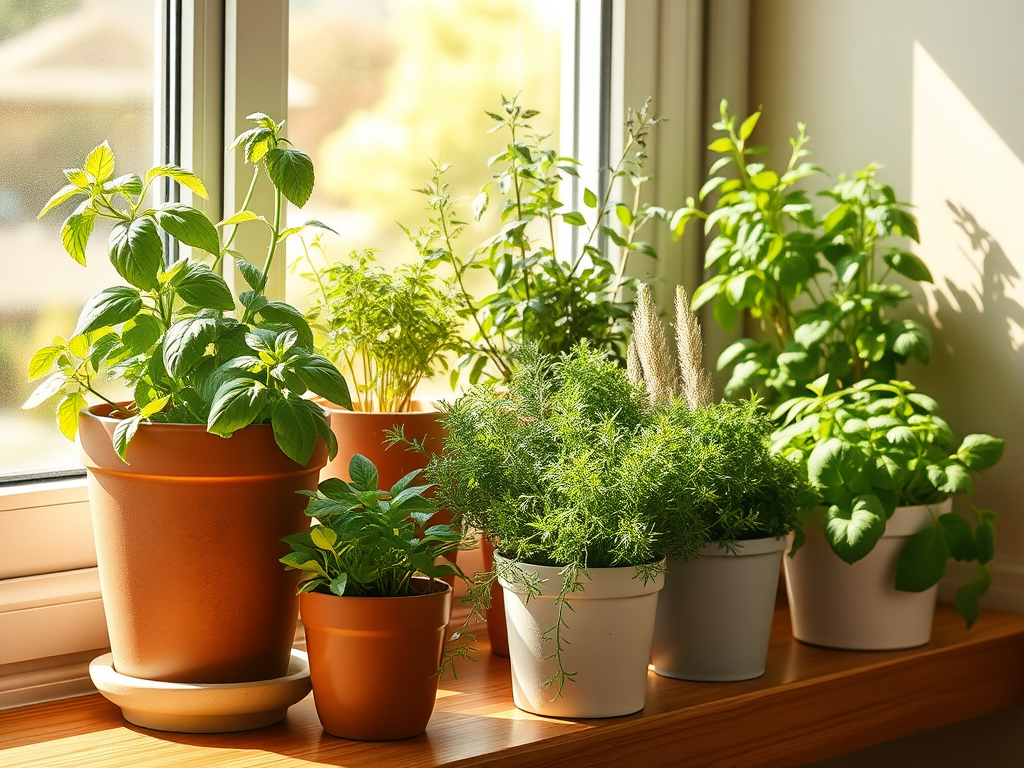
Growing herbs indoors is a rewarding and convenient way to add fresh flavors to your meals, even during the colder months. Whether you’re an experienced gardener or just starting out, growing herbs in your home is easy and can be done in small spaces like windowsills, kitchens, or even on countertops. In this article, we’ll guide you through the essential steps to grow herbs indoors successfully, providing tips on light, containers, soil, and care.
Ready to embrace a better lifestyle and explore new travel destinations? Visit our Travel and Lifestyle page for expert tips and ideas.
How to Grow Herbs Indoors: A Simple Guide for Fresh, Year-Round Flavor
Let’s look at how to grow herbs indoors.
1. Choose the Right Herbs for Indoor Growing
The first step to growing herbs indoors is choosing the right ones for your space and growing conditions. Some herbs thrive indoors better than others, so it’s important to pick varieties that can handle the indoor environment. Here are some herbs that grow well indoors:
- Basil: A popular herb with a strong, sweet aroma, basil is perfect for indoor gardens.
- Mint: This hardy herb grows well indoors and doesn’t require much sunlight.
- Parsley: Parsley is a versatile herb that grows well indoors in moderate light.
- Chives: Easy to grow and can tolerate low light conditions.
- Thyme: Another herb that’s perfect for indoor growth due to its low maintenance needs.
- Oregano: A great choice for growing indoors, oregano thrives in well-drained soil.
- Cilantro: Known for its bright flavor, cilantro grows well indoors, especially during cooler months.
Choose herbs that you often use in cooking, as this will make the effort of growing them even more rewarding.
2. Select the Right Containers
Choosing the right container for your indoor herbs is essential to their growth. Opt for pots or containers that are large enough to accommodate the root system of the herbs. It’s crucial that the containers have good drainage holes to prevent water from accumulating at the bottom, which can lead to root rot.
For small windowsill herb gardens, a container that is about 6-8 inches in diameter will work well for most herbs. If you’re growing several herbs together, consider using larger containers or even multi-compartment planters.
3. Provide Adequate Light
Light is the most important factor for growing herbs indoors. While herbs can grow in low-light conditions, they perform best when they get at least 4-6 hours of bright sunlight a day. Placing your herbs near a sunny windowsill or a south-facing window is ideal. However, during winter or if natural light is limited, you may need to supplement with artificial grow lights.
For the best results, position your plants to receive direct sunlight for part of the day. If that’s not possible, you can also consider using LED grow lights designed for indoor plants to provide the necessary light spectrum for healthy growth.
4. Use the Right Soil
Healthy soil is key to successful indoor herb gardening. A well-draining potting mix is essential, as herbs do not like sitting in wet soil for extended periods. Choose a good-quality, all-purpose potting soil that is light and fluffy, providing good aeration to the roots.
You can also mix in some perlite or sand to improve drainage and ensure the roots don’t become waterlogged. Avoid using garden soil, as it is too heavy and may not drain properly for indoor conditions.
5. Water Properly
Watering indoor herbs requires a delicate balance. Herbs need consistent moisture, but overwatering is a common mistake. To ensure proper watering, allow the top inch of soil to dry out before watering again. Be sure to water deeply, so the moisture reaches the roots, but avoid letting the plants sit in water. You can use a saucer under your pots to catch any excess water and avoid root rot.
If you live in a dry climate or keep your home at a lower humidity, you may want to consider misting your herbs occasionally or placing them on a tray with pebbles and water to increase humidity around the plants.
6. Fertilize Regularly
While herbs can thrive in nutrient-rich soil, they will benefit from occasional fertilization to ensure healthy growth. Use a balanced, organic fertilizer or liquid plant food every 4-6 weeks during the growing season to boost your herbs’ growth. Be careful not to over-fertilize, as too much fertilizer can lead to weak or leggy growth.
If you use store-bought herbs, try transplanting them into your own containers and adding your own nutrient-rich soil. This can give them a better foundation for growth and ensure they flourish in their new indoor environment.
7. Harvesting and Pruning
Regular harvesting and pruning are essential for keeping your herbs healthy and productive. By cutting off the leaves or stems, you encourage the plant to grow more vigorously. Always use sharp scissors or pruning shears to avoid damaging the plant.
For herbs like basil, pinch off the tops to prevent the plants from flowering, as this can make the leaves taste bitter. With herbs like chives or parsley, simply trim the outer leaves, allowing the center to continue growing.
Avoid removing too much of the plant at once, as it can stunt growth. Harvest in moderation to maintain a healthy, continuous supply of fresh herbs.
8. Monitor for Pests and Diseases
While indoor herbs are less prone to pests than outdoor plants, it’s still important to monitor them for any signs of trouble. Look for aphids, spider mites, or fungal diseases that can affect your plants. If you notice any pests, wash the leaves gently with a solution of water and mild soap or neem oil.
Additionally, keep an eye on the leaves for yellowing, wilting, or other signs of stress, which could indicate problems with watering, light, or nutrients. Promptly address any issues to keep your plants thriving.
Conclusion
Growing herbs indoors is an easy and rewarding way to enhance your cooking and add a touch of greenery to your home. By selecting the right herbs, providing adequate light and water, and regularly harvesting, you’ll be able to enjoy fresh, homegrown herbs year-round. Whether you have a spacious kitchen or just a small windowsill, with a little attention and care, you can grow your own indoor herb garden to enjoy the fresh flavors it brings.
Transform your travel plans and lifestyle with actionable advice from our Travel and Lifestyle page.
Leave a Reply