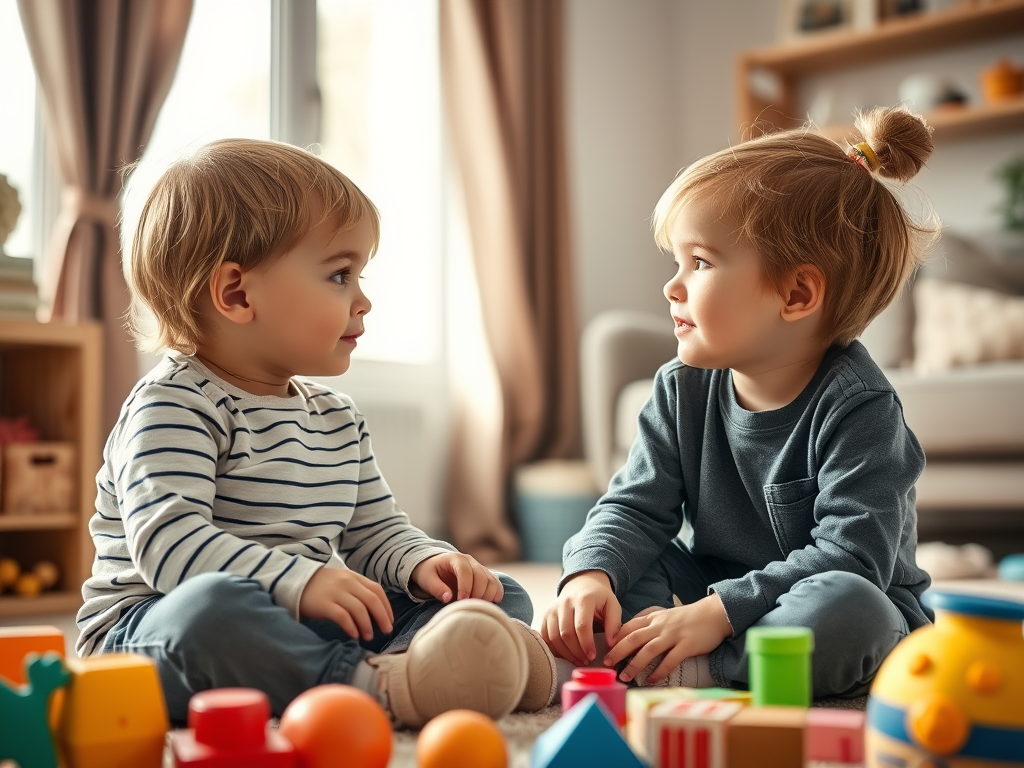
Sibling rivalry is a common challenge in many households. Whether it’s constant bickering, jealousy, or competition for attention, conflicts between siblings are natural as children navigate their relationships. However, when managed correctly, sibling rivalry can be an opportunity for growth, teaching kids valuable life skills like conflict resolution, empathy, and patience. This article provides expert-backed strategies to help you resolve sibling rivalry and foster a more peaceful and supportive family environment.
Looking for expert parenting advice? Visit our Parenting and Family Life page for practical tips on raising happy, healthy children.
How to Resolve Sibling Rivalry: Practical Tips for Parents
Let’s look at how to resolve sibling rivalry.
1. Acknowledge the Issue Without Taking Sides
The first step in resolving sibling rivalry is to acknowledge the conflict without immediately taking sides. Children often feel their concerns are invalidated when a parent automatically sides with one child over the other. Instead, listen to both sides of the story. Acknowledge their feelings and make it clear that you understand their frustrations. For example, you can say, “I understand that you’re upset, and I hear that you feel left out. Let’s figure out how to make things better for both of you.”
2. Encourage Open Communication Between Siblings
Often, siblings fight because they don’t know how to communicate their feelings or needs properly. Encourage your children to express themselves calmly and respectfully. Teach them how to use “I” statements to avoid blaming each other. For example, one child could say, “I feel frustrated when you take my toys without asking,” rather than saying, “You always take my toys!” This method helps to focus on the behavior and not the person, fostering a healthier conversation.
3. Set Clear Expectations and Boundaries
One of the main causes of sibling rivalry is a lack of clear boundaries. Make sure your children know the rules of the household, such as respecting each other’s belongings, personal space, and time. Enforcing consistent rules and boundaries prevents unnecessary conflict. You can create a family contract or set clear guidelines about how they should treat each other. When children know what’s expected of them, they are less likely to engage in rivalry.
4. Teach Conflict Resolution Skills
Conflict resolution is an essential skill that can benefit your children for a lifetime. Use sibling rivalry as an opportunity to teach your children how to resolve disputes peacefully. Encourage them to negotiate, find compromises, and use their words instead of physical actions. Walk them through problem-solving steps, such as taking turns, suggesting solutions, and agreeing on a resolution. For example, you can say, “Let’s think of three ways to solve this and pick the one that works best for both of you.”
5. Promote Individuality and Equal Attention
Many sibling conflicts arise from feelings of competition for attention, especially from parents. Make an effort to spend one-on-one time with each child, emphasizing their individuality. Acknowledge each child’s unique talents and interests to reduce the comparison game. For instance, if one child excels in sports and the other in art, celebrate both achievements separately and encourage them to appreciate each other’s strengths. By promoting their unique qualities, children can feel more secure and less likely to compare themselves to each other.
6. Encourage Teamwork and Collaboration
Rather than focusing on the competition, try to promote collaboration between your children. Give them tasks or projects that require working together as a team. This could be as simple as building a puzzle, completing a household chore, or planning a family event. Teamwork fosters cooperation, improves communication, and allows siblings to see the benefits of working together instead of competing against each other.
7. Avoid Labeling Children as the “Good” or “Bad” One
One of the most damaging things parents can do is label one child as “the good one” and another as “the troublemaker.” These labels can create resentment and fuel rivalry between siblings. Instead, praise your children for specific actions and behaviors, such as “You did a great job sharing your toys today!” This helps to reinforce positive behavior without creating division between siblings.
8. Model Positive Behavior
Children often learn by example, so it’s important to model how to handle conflicts respectfully. Show them how to deal with your own disagreements or frustrations in a calm and constructive manner. Whether it’s a disagreement with your spouse or a colleague, demonstrate how to use kind words, avoid yelling, and seek solutions. By seeing you manage your own conflicts gracefully, your children will be more likely to adopt these behaviors when resolving their own issues.
9. Use Time-Outs as a Last Resort
While it’s important to intervene in conflicts, sometimes giving your children space to cool off is beneficial. If the conflict becomes too heated, suggest a brief time-out for each child to reflect and calm down before resuming the conversation. A time-out should not be used as a punishment, but rather as a break to prevent the situation from escalating further.
10. Seek Professional Help If Needed
If sibling rivalry is persistent and causing significant stress in your family, it might be helpful to seek professional guidance. A family therapist or counselor can offer strategies to address underlying issues and provide a neutral space for children to express themselves. In some cases, a professional can help you understand any deeper emotional dynamics at play and guide you in resolving the conflict in a healthier way.
Conclusion
Sibling rivalry is a normal part of growing up, but when handled with patience and empathy, it can be a valuable opportunity for learning and growth. By promoting open communication, setting clear boundaries, and teaching conflict resolution skills, you can help your children navigate their differences while strengthening their bond. With time, consistency, and support, sibling rivalry can evolve into a healthy, supportive sibling relationship that benefits everyone in the family.
Navigating the challenges of parenting? Explore our Parenting and Family Life page for helpful strategies and expert insights.
Leave a Reply