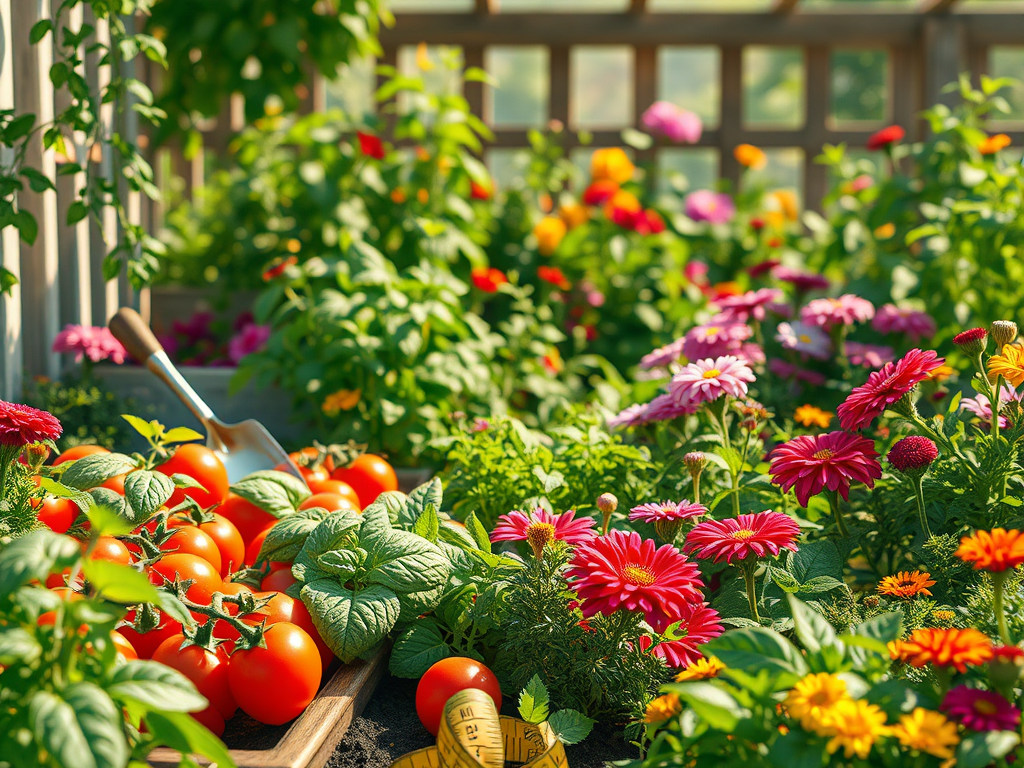
Planning a garden is an exciting venture, but deciding what to plant can feel overwhelming. The choices you make will determine how enjoyable, productive, and sustainable your garden becomes. Whether you’re planting vegetables, flowers, or herbs, this guide will walk you through practical steps to help you decide what to grow based on your preferences, space, and environment.
Make your dream home a reality—get inspired with our DIY guides.
How to Decide What to Plant in a Garden: A Step-by-Step Guide
1. Assess Your Space
Start by evaluating your garden space to understand its potential:
- Available Area: Measure the size of your garden or containers to determine how much you can plant.
- Sunlight: Observe how much sunlight your garden receives daily. Most vegetables and flowers need 6–8 hours of direct sunlight.
- Soil Type: Test your soil to check its quality, pH level, and drainage capacity.
2. Define Your Garden’s Purpose
Decide the primary purpose of your garden to narrow down plant choices:
- Vegetable Garden: Focus on crops like tomatoes, lettuce, and cucumbers for fresh, homegrown produce.
- Flower Garden: Consider annuals or perennials that add color and attract pollinators.
- Herb Garden: Opt for herbs like basil, thyme, and mint to use in your cooking or for their aromatic appeal.
- Mixed Garden: Combine flowers, vegetables, and herbs for a multifunctional space.
3. Consider Your Climate
Your local climate will heavily influence what you can grow:
- USDA Hardiness Zone: Use the USDA Plant Hardiness Zone Map to identify plants suited to your region.
- Seasonal Conditions: Choose cool-season crops like spinach and broccoli for spring and fall, and warm-season crops like peppers and beans for summer.
- Drought Resistance: If you live in a dry area, select drought-tolerant plants like succulents or lavender.
4. Think About Your Preferences
Planting what you love ensures you’ll enjoy your garden:
- Vegetables and Herbs You Eat: Focus on crops that you and your family enjoy eating regularly.
- Favorite Flowers: Include flowers that appeal to your taste or align with your landscaping goals.
- Experiment with New Varieties: Add a few plants you’ve never grown before to keep the experience exciting.
5. Evaluate Maintenance Requirements
Some plants require more care than others, so choose according to your lifestyle:
- Low-Maintenance Options: Select hardy plants like zinnias, marigolds, or kale if you have limited time.
- High-Yield Plants: For maximum output, grow crops like tomatoes or zucchini that produce abundantly.
- Special Care Needs: Avoid plants that require specific conditions or frequent attention if you’re new to gardening.
6. Budget for Your Garden
Your budget may influence your plant choices:
- Seeds vs. Seedlings: Seeds are more affordable but take longer to grow. Seedlings are convenient but cost more.
- Perennials vs. Annuals: Perennials return year after year, making them a long-term investment, while annuals need replanting every season.
- Specialty Plants: Exotic or rare varieties may be pricier, so consider their value to your garden.
7. Plan for Companion Planting
Some plants grow better together, while others should be kept apart:
- Beneficial Pairings: For example, grow basil with tomatoes to improve flavor and deter pests.
- Avoid Incompatible Plants: Certain plants, like onions and beans, don’t thrive when planted together.
- Diversity: Incorporate a mix of plant types to reduce the risk of disease and attract beneficial insects.
8. Sketch Your Garden Layout
Visualizing your garden can help finalize your decisions:
- Use Graph Paper: Sketch your garden and allocate space for each plant type.
- Group by Needs: Place plants with similar sunlight, water, and soil requirements together.
- Leave Room to Grow: Ensure enough space between plants for healthy growth.
9. Start Small
If you’re a beginner, avoid overwhelming yourself by starting small:
- Focus on Easy-to-Grow Plants: Begin with hardy plants like lettuce, radishes, or sunflowers.
- Expand Gradually: Add more varieties and experiment as you gain experience and confidence.
Conclusion
Choosing what to plant in your garden involves a mix of planning, practicality, and personal preferences. By assessing your space, climate, and needs, you can create a garden that’s both beautiful and productive. Whether you’re growing vegetables, flowers, or herbs, following this guide will set you up for gardening success.
Ready to design your dream garden? Start today and watch your green thumb flourish!
Don’t wait to renovate—check out our DIY projects now.
Leave a Reply