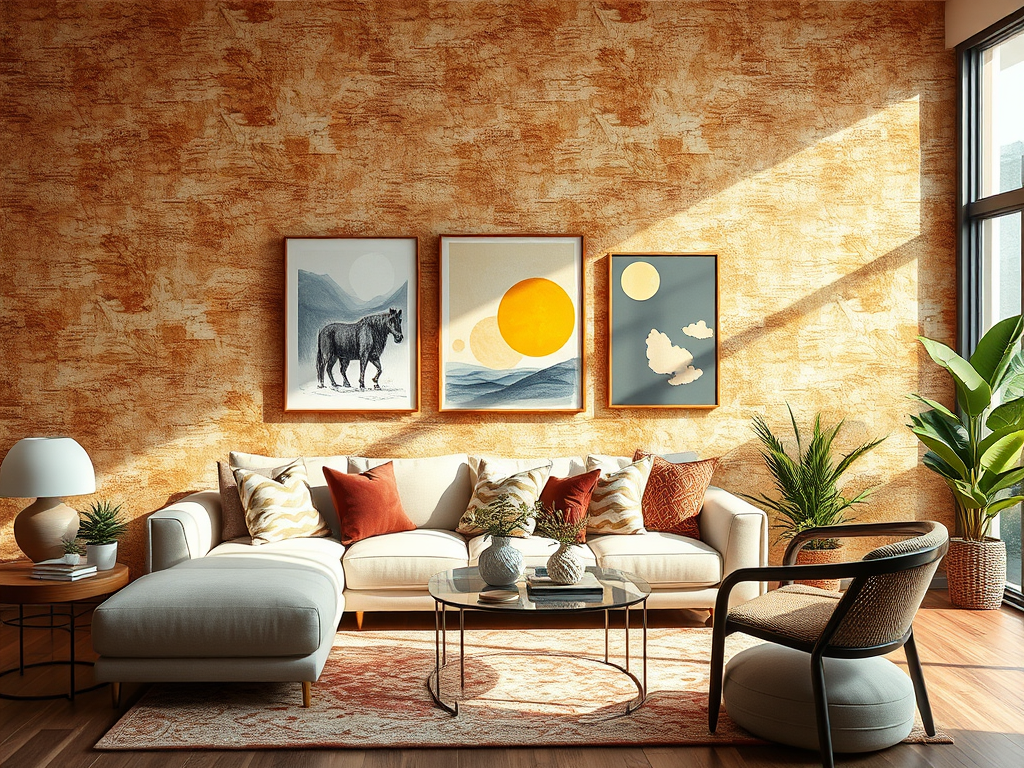
Wallpaper is a versatile and stylish way to add personality to any space, transforming walls into works of art. With endless patterns, textures, and colors available, choosing the perfect wallpaper might seem overwhelming. This step-by-step guide will help you select wallpaper that complements your space, suits your lifestyle, and elevates your home’s aesthetic.
DIY enthusiasts unite—discover projects and inspiration.
How to Choose Wallpaper: A Comprehensive Guide for Every Room
Here’s how to choose wallpaper, from exploring the different types of wallpaper to how to get and install the new wallpaper.
1. Understand the Types of Wallpaper
Before picking a design, familiarize yourself with the various wallpaper options:
- Vinyl Wallpaper: Durable and easy to clean, ideal for high-traffic areas like kitchens and bathrooms.
- Textured Wallpaper: Adds depth and character with patterns like grasscloth, embossed, or fabric-backed options.
- Peel-and-Stick Wallpaper: Perfect for renters or temporary projects; easy to install and remove.
- Foil Wallpaper: Creates a shiny, reflective look for smaller spaces or accent walls.
- Non-Woven Wallpaper: Breathable and tear-resistant, suitable for both walls and ceilings.
2. Match the Wallpaper to Your Space
Each room has unique requirements, so consider how the wallpaper will function in your space:
- Living Room: Opt for bold prints or textured wallpaper to create a focal point or cozy atmosphere.
- Bedroom: Choose calming patterns and colors, like soft florals or subtle stripes, to promote relaxation.
- Kitchen or Bathroom: Use moisture-resistant vinyl or peel-and-stick wallpaper to withstand humidity.
- Entryway or Hallway: Make a statement with geometric designs or vibrant colors.
3. Select the Right Pattern and Color
Patterns and colors set the tone for your space:
- Large Patterns: Ideal for spacious rooms to create a bold, dramatic effect.
- Small Patterns: Great for compact spaces, as they add detail without overwhelming the room.
- Light Colors: Make rooms feel larger and airier.
- Dark Colors: Add warmth and intimacy but can make small spaces feel smaller.
4. Consider Lighting and Room Size
Lighting can dramatically alter how wallpaper appears:
- Natural Light: Enhances the wallpaper’s true colors, so test swatches during different times of the day.
- Artificial Light: Be mindful of how warm or cool light bulbs affect the wallpaper’s appearance. For smaller rooms, avoid busy patterns and opt for subtle designs to prevent the space from feeling cramped.
5. Decide on Placement
Wallpaper can cover an entire room or be used strategically:
- Accent Wall: Highlight a specific area, like behind a bed or sofa, with bold wallpaper.
- Full Coverage: Use coordinating colors and patterns to create a seamless, cohesive look.
- Ceiling Wallpaper: Add visual interest and height by papering the ceiling with a subtle or decorative design.
6. Order Samples
Always order samples before committing:
- Test the wallpaper in your space to see how it looks in natural and artificial light.
- Check for compatibility with your furniture, flooring, and decor.
7. Calculate the Amount Needed
Accurate measurements ensure you order enough wallpaper without excess waste:
- Measure the height and width of each wall.
- Multiply height by width to calculate square footage.
- Subtract areas for windows and doors.
- Add extra for pattern matching and mistakes (usually 10–15%).
8. Budget Wisely
Wallpaper prices vary based on material and brand:
- Set a budget and compare costs, factoring in tools or professional installation if needed.
- Peel-and-stick options are budget-friendly and DIY-friendly, while custom designs or luxury brands may cost more.
9. Installation Tips
Choose between DIY or professional installation:
- DIY: Peel-and-stick wallpaper is easiest for beginners, while traditional wallpaper requires paste and careful alignment.
- Professional Help: Recommended for complex patterns, textured wallpapers, or large spaces.
10. Maintenance and Care
Maintain your wallpaper’s beauty with proper care:
- Clean vinyl and washable wallpapers with a damp cloth.
- Dust textured wallpapers regularly with a soft brush or vacuum attachment.
- Avoid direct sunlight to prevent fading.
Conclusion
Choosing wallpaper is a creative process that allows you to express your style and transform your living space. By considering the type, pattern, placement, and lighting, you can select wallpaper that perfectly suits your needs and aesthetic.
Ready to give your walls a fresh, stylish look? Start exploring wallpaper options and bring your vision to life today!
Save money and add value—learn home improvement hacks today.
Leave a Reply