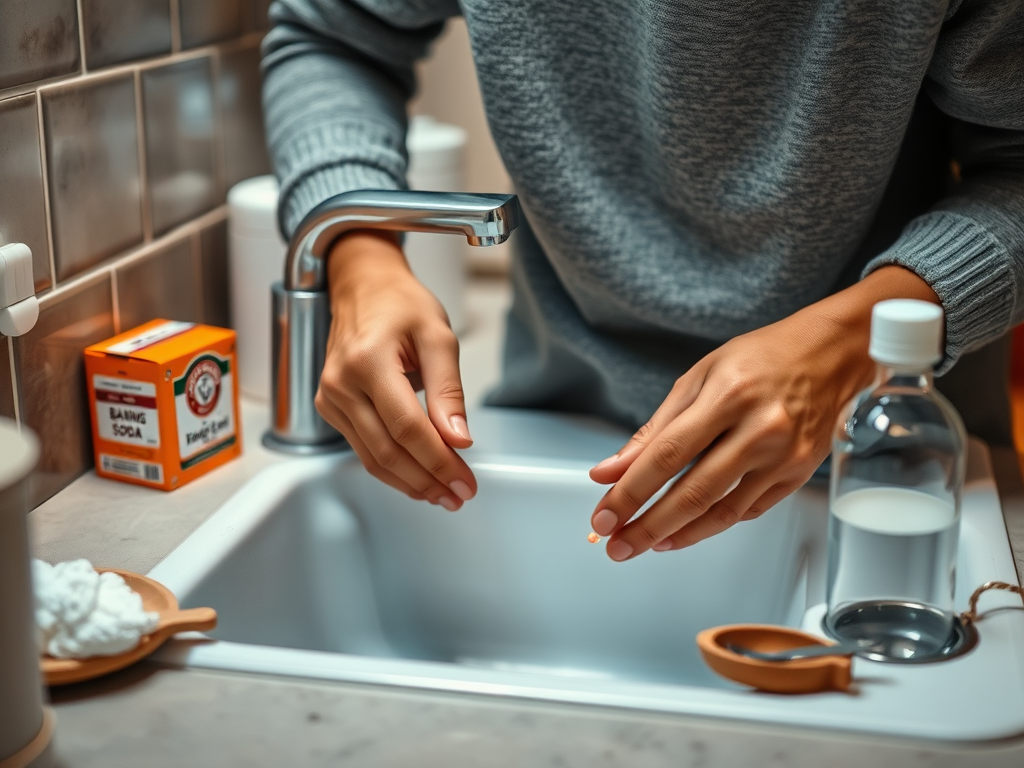
A clogged drain can disrupt your daily routine, but the good news is that you can often fix it yourself without the need for expensive plumbing services. Whether it’s a slow-draining sink, a clogged bathtub, or a backed-up shower, this guide will walk you through actionable steps to clear your drain quickly and effectively.
Save money and add value—learn home improvement hacks today.
How to Unclog a Drain: A Step-by-Step Guide
Let’s dive into how you can unclog your drain, step by step.
Common Causes of Clogged Drains
Before diving into solutions, it’s helpful to understand what typically causes clogs. Common culprits include:
- Hair and Soap Scum: Often found in bathroom drains.
- Food Waste and Grease: A frequent issue in kitchen sinks.
- Foreign Objects: Items like jewelry, toys, or cotton swabs can block pipes.
- Mineral Buildup: Hard water can leave deposits that accumulate over time.
Identifying the cause can help you choose the best unclogging method.
Tools You’ll Need
To tackle most clogs, gather these basic tools and supplies:
- Plunger
- Drain snake or auger
- Baking soda and vinegar
- Boiling water
- Rubber gloves
- Bucket
- Wrench (optional)
Step-by-Step Instructions to Unclog a Drain
1. Start with Boiling Water
For minor clogs, boiling water can often do the trick.
- Heat a kettle or large pot of water until it boils.
- Carefully pour the boiling water directly down the drain in two or three stages.
- Wait a few minutes and test if the water drains properly.
This method is most effective for grease and soap clogs.
2. Use a Plunger
A plunger creates suction that can dislodge blockages.
- Ensure there’s enough water in the sink or tub to cover the plunger’s base.
- Position the plunger over the drain and press down firmly.
- Pump the plunger up and down for 30 seconds, then quickly pull it away.
- Test the drain by running water to see if it clears.
3. Try Baking Soda and Vinegar
This natural remedy is great for breaking down organic material.
- Pour 1/2 cup of baking soda down the drain.
- Follow with 1/2 cup of vinegar and immediately cover the drain with a stopper or cloth.
- Let the mixture fizz and sit for 15–30 minutes.
- Flush with boiling water.
This method is eco-friendly and works well for mild clogs.
4. Use a Drain Snake
A drain snake, or auger, is perfect for tougher clogs.
- Insert the snake into the drain and turn the handle clockwise to navigate the pipe.
- Once you feel resistance, twist and pull the snake back to remove the blockage.
- Run water to check if the clog is cleared.
5. Remove and Clean the P-Trap
For persistent clogs, manually cleaning the P-trap might be necessary.
- Place a bucket under the sink to catch water.
- Use a wrench to loosen and remove the P-trap (the curved pipe under the sink).
- Clear out debris, rinse the trap, and reattach it securely.
- Test the drain to ensure it’s working properly.
When to Call a Professional
If none of these methods work or if you notice recurring clogs, foul odors, or multiple slow drains in your home, it may indicate a larger plumbing issue. In such cases, it’s best to contact a licensed plumber.
Preventing Future Clogs
Keep your drains clear by following these tips:
- Use drain covers to catch hair and debris.
- Avoid pouring grease, coffee grounds, or large food scraps down the kitchen sink.
- Regularly flush drains with boiling water to dissolve buildup.
- Clean drains monthly with baking soda and vinegar.
Conclusion
Unclogging a drain is often a straightforward DIY task that requires only a few tools and a bit of patience. By following the steps outlined in this guide, you can save time and money while keeping your home’s plumbing in top shape.
Ready to tackle your clogged drain? Follow these steps and get your water flowing smoothly again!
DIY enthusiasts unite—discover projects and inspiration.
Leave a Reply